Host: Département de Promotion et Traduction en Langues Locales
(Fraternité Evangélique du Sénégal)
Venue: SIL Senegal, Thiès
Dates: 17–28 November, 2025
Trainers: Dan Morgan and John Ventress
Website managers trained: 19 (Senegal 18 + Gambia 1)
Websites created: 12
Practicalities
The workshop was slightly atypical for several reasons.
Location
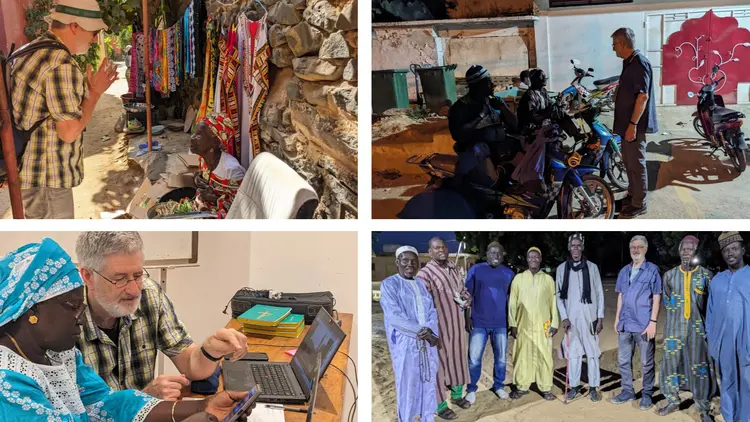
Thiès was familiar to Dan, who had lived nearby for some years when working with the Ndut. We visited his old village on Sunday, but his local ties meant we bumped into Ndut friends everywhere we went – from the supermarket to Gorée Island, where we toured the House of Slaves museum after the workshop. An Ndut translator visited one day, and Dan spent time helping her with a new app.
Organizations
The workshop was organized by DPTLL. It had been put back from April, and since then DPTLL’s funding had ended. SIL stepped in to cover logistics, while Sophie (the organizer) and others gave their time voluntarily. Copyright was tricky with so many groups involved—SIL, Wycliffe, Bible Society, New Tribes Mission, and several others. With SIL’s help, we got permission to publish OSAs for most translations.
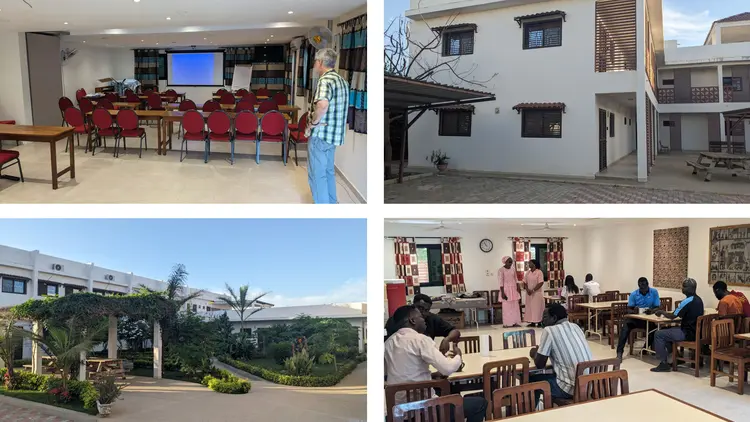
Facilities
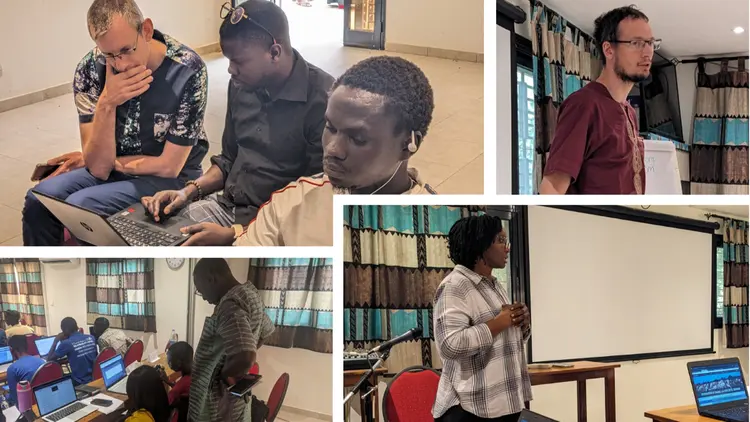
SIL’s campus in Thiès, built about five years ago, was a great setting: a modern site with reliable wi-fi, spacious apartments, and even solar-powered air conditioning. We didn’t need a Matchbook, and we had access to technical support.
Leading
Dan had started communication and planning in November 2024. John joined when the workshop was rescheduled, and took on the teaching plan and cloning websites. As his French was rusty, he led most of the teaching sessions that could be scripted in advance, while Dan focused more on individual coaching and group discussions. The balance worked well, and John’s fluency improved as the workshop progressed.
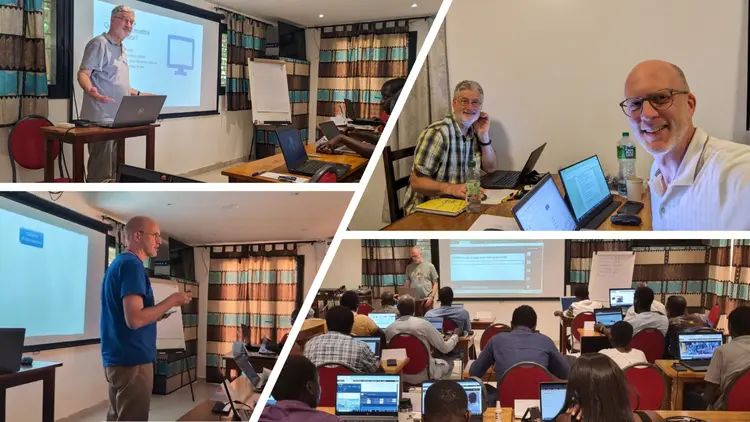
Teaching plan
The plan ran smoothly, and the trainees were quicker than average compared to other workshops we have run in the region.
On Day 1: Minimal PowerPoints, so we could prioritize discussion and website planning. By the end of the day, everyone was logged in and building menus.
Interface: We set aside time specifically to complete the most important interface translations early on. Jesus Film chapter headings were completed right after teaching how to add the film. To keep the task manageable, we advised turning off “display chapters and descriptions” so that only chapter headings show.
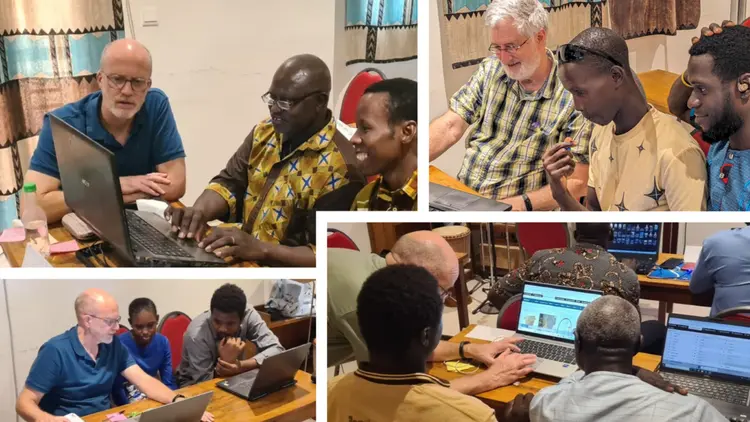
By Day 6: Teams had plenty of pages to demo at a Show & Tell. We did a first audit at this point to catch the main issues, which made the final checks much easier.
Home pages: John had set up all the sites with blank Home pages, but we waited until mid-week 2 to tackle them, once teams had the skills to make them engaging and enough other content to link to.
Testimonials
All websites were migrated to their domains, and all teams were able to showcase their websites at the end of the final morning, after some last-minute tweaks. A few guests came, along with people from SIL Senegal and DPTLL president François Bagne.
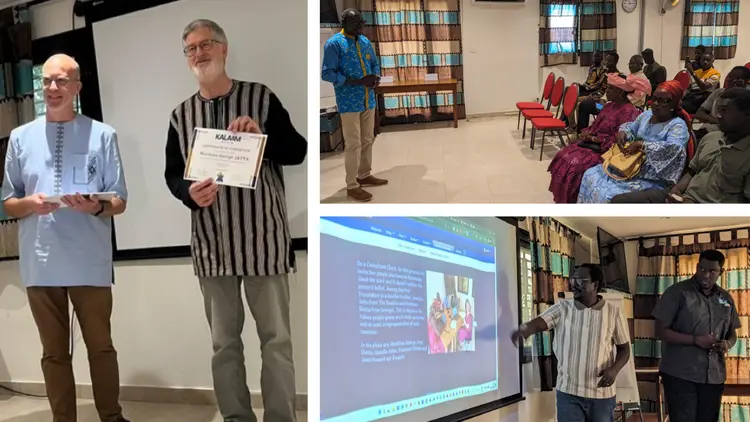
Three trainees shared how much they had been blessed by attending the workshop, in spite of setbacks. Anicet had arrived on Day 3 as the only Bandial trainee, unsure what to expect and daunted by the task of catching up. Jules had been sent alone for the Jola-Fogny project when a pastor had to cancel at the last minute. Amane had come very reluctantly at the insistence of others, and despite suffering from toothache and having to seek urgent treatment on the last morning, he was glad to have persevered. "For two years I've wanted to make an app for my community, but never found the motivation to start. Now we have a ready-made website that we can give to the Pulaar community."
Several other trainees agreed to be interviewed by us before they left, as did a visiting partner from New Tribes Mission UK, based in the Casamance region, who had spent the last few days helping us and getting to know the teams. You can hear some of the highlights in the video below.
Lessons learned
1. Menu design
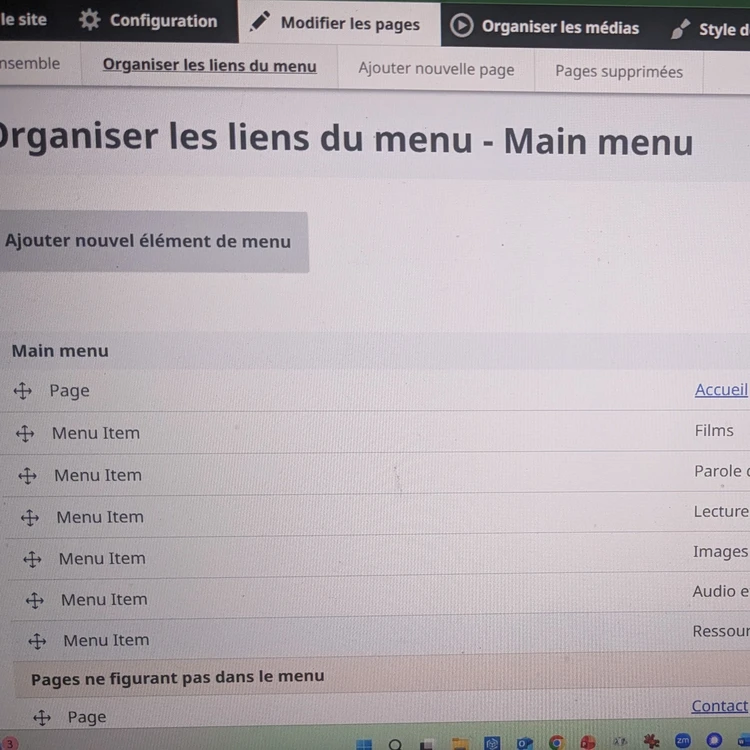
Teams listed and grouped their content, and immediately began building menus in Wildfire, which gave them an early sense of progress. Later, we realized most had grouped pages by file type rather than theme, which didn’t suit the hybrid community / Scripture sites they were creating. We spent a day helping each team reorganize menus.
Takeaways
1. Review site plans early to catch structural issues.
2. Present thematic menus as the preferred model, especially for sites mixing cultural and Scripture content, to avoid teams grouping pages together that have nothing in common.
2. Image use
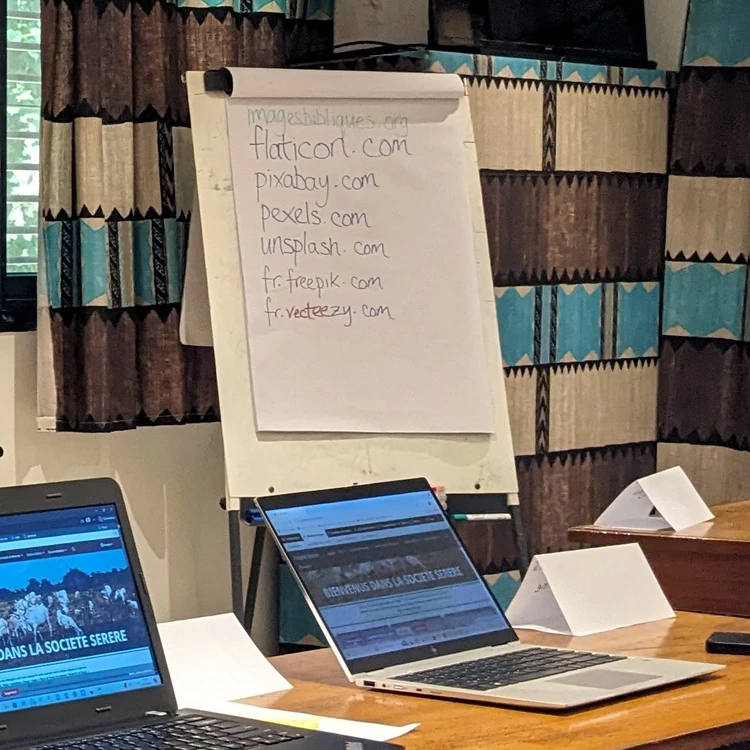
Teams arrived with most of their content, but images caused confusion. We shared links to free image libraries, explained the need for permission, and repeated this when teaching the Copyright page. However, many still copied pictures from other websites. Some listed the URLs of copied images on the Copyright page, thinking that was enough.
Takeaways
1. Before the workshop, stress that teams need to bring plenty of their own images.
2. Teach how to use image libraries and help students with image searches.
3. Repeat often that copying images from other sites isn’t allowed, even if they note them on the Copyright page.
3. Late arrivals
A team which the hosts had assumed wasn’t attending asked to send a trainee late. We agreed, but he arrived unprepared and without materials, as he had not been involved when the other teams were briefed. He caught up with support from others, and built a basic website that was worth launching, but it was not ideal.
Takeaways
1. Aim to finalize attendance and brief all teams well before the workshop.
2. Allow last-minute personnel swaps only within teams that are already well prepared with all their material ready.
3. Avoid admitting new participants once the workshop has started.
4. Target audience
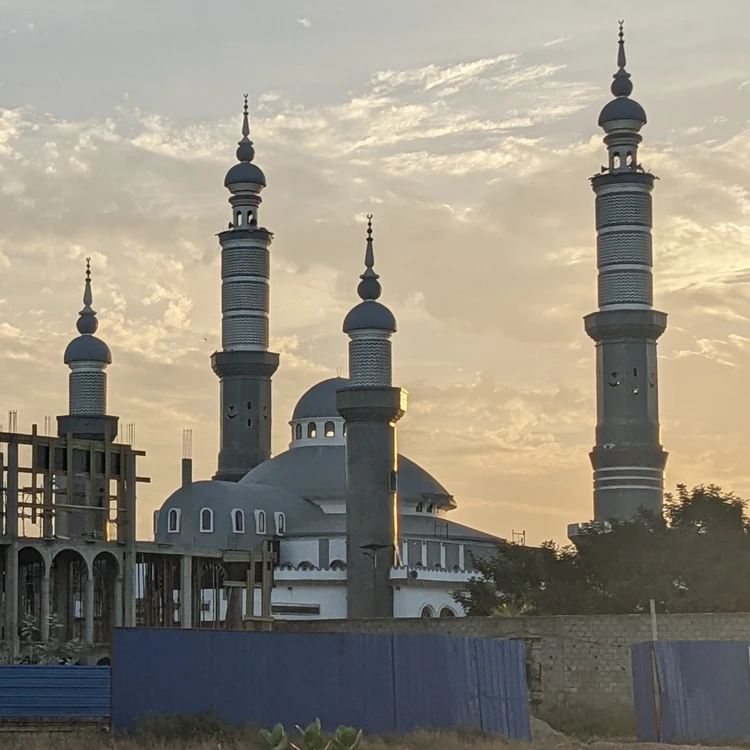
Sophie sat in on all sessions, but it was only near the end that she remarked that the sites looked like they were for Christians, not for reaching a Muslim-majority audience. She encouraged teams to rethink their Home pages, and sat with them to help. Her input would have been useful sooner, as she knew the context and had the authority to direct.
Takeaways
1. Brief hosts early on what’s expected of them and encourage active involvement from Day 1.
2. Repeatedly remind teams to think about their audience. Although covered early on, it is easily forgotten, and teams find it hard to see through the eyes of those outside the church.
5. Reinforcing basics
With the fast pace of training, trainees regularly forgot simple things that took time to fix later. One commonly forgotten instruction was to give every media item a sensible title that was not just a file name (or YouTube title). Alternative text descriptions for images also tended to get left, so captions in image galleries made little sense.
Takeaways
1. Keep repeating the basics, like a scratched record! Don't assume trainees remember.
2. Provide printed reference sheets with handy tips for each topic area and content type. John plans to prepare these in 2026.
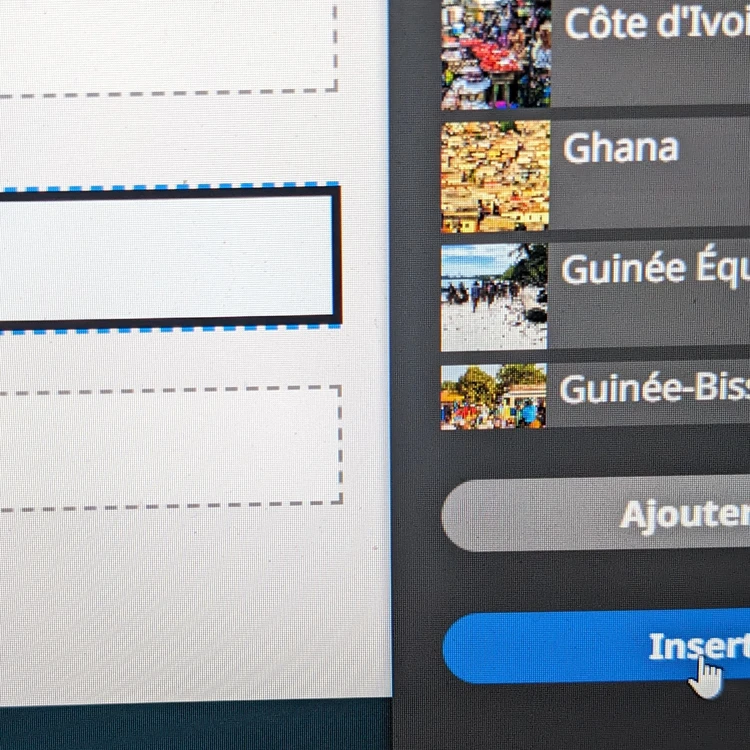
Websites
Each website was close enough to completion to demonstrate on the final day, but on several there were still issues to iron out regarding copyright and missing translations. We spent the Saturday after the workshop working on these, communicating with each team via WhatsApp project groups. As of mid-January, 9 of the 12 sites are launched.
Two websites (Balante-Ganja and Pulaar) make Bible text available digitally for the first time.
Websites are set up as sub-domains, following our new policy, as follows:
Bandial.ethnosites.com (Bandial)
BibleSenegal.ipsmedia.org (Senegal megasite, WIP)
DiolaFogny.ethnosites.com (Jola-Fogny)
Fjaa.ethnosites.com (Balante-Ganja)
Kaloon.biblesites.net (Karon, Gambia)
Kuwaataay.ethnosites.com (Kwatay)
Niloonaay.ethnosites.com (Karon, Senegal)
Noon.ethnosites.com (Serer Noon)
PKManjaku.ethnosites.com (Manjac)
Seereer.ethnosites.com (Serer Sine)
SewndeNguurndam.biblesites.net (Pulaar)
Wolof.biblesites.net (Contemporary Wolof)
Photo gallery


